What Is a Will vs Trust? Key Differences for Estate Planning
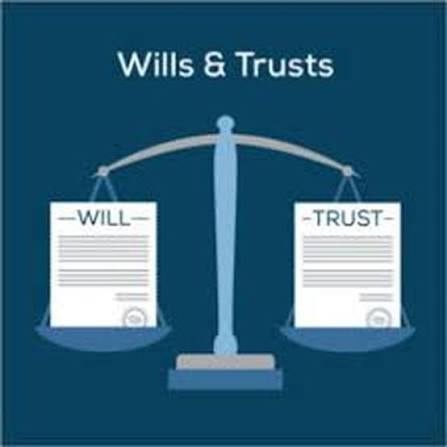
Estate planning has become increasingly important as families manage more complex finances and changing personal circumstances. In addition to homes and bank accounts, modern estates may include retirement savings, investment portfolios, business interests, rental properties, and digital assets. Choosing the right tools for managing and transferring these assets can help families create greater clarity for the future.
One of the most common questions people have when beginning estate planning is what is a will vs trust and how each option may fit into a broader plan. Although both can provide instructions concerning property and beneficiaries, they serve different purposes and operate in different ways. Understanding those distinctions can help individuals have more productive conversations with qualified estate planning professionals.
Understanding What a Will Does
A will is a legal document that generally communicates an individual's wishes concerning the distribution of property after death. It can also address other matters, such as naming guardians for minor children where permitted by applicable law.
A will generally takes effect after the individual's death. Depending on the jurisdiction and circumstances, assets controlled by the will may need to pass through probate before beneficiaries receive them.
Probate is a court-supervised process that can involve validating the will, identifying assets, addressing debts and taxes, and distributing property according to applicable requirements.
Not every asset necessarily passes through a will. Certain accounts, for example, may transfer through beneficiary designations or other ownership arrangements.
Understanding How a Trust Works
A trust is a legal arrangement in which assets are managed by a trustee for the benefit of designated beneficiaries. The person creating the trust establishes rules concerning how the property should be managed and distributed.
Unlike a will, certain types of trusts can operate during the creator's lifetime. Depending on its structure, a trust may provide instructions for managing assets during periods of incapacity and after death.
Trusts can also be designed for different objectives. Some may provide flexibility and ongoing control, while others may be created to address specific family, financial, charitable, or asset-management goals.
The exact legal and financial effects depend on the type of trust and its terms.
Will vs. Trust: Comparing the Key Differences
The distinction between a will and a trust becomes clearer when considering how each operates.
A will generally becomes effective after death, while certain trusts can begin operating during the creator's lifetime. A will may require probate for assets that pass under it, whereas properly structured trust assets may potentially avoid probate.
Privacy can also be a consideration. Probate proceedings may involve court records, while trust administration can offer greater privacy in certain circumstances.
A will can be relatively straightforward for individuals with uncomplicated estates. A trust may offer additional management instructions when assets or family circumstances are more complex.
Neither option is automatically better for everyone. The appropriate choice depends on the individual's assets, family situation, financial objectives, and applicable law.
Consider the Complexity of Your Assets
The nature of an individual's assets can influence which planning tools deserve consideration.
Someone with a primary residence, modest savings, and straightforward financial accounts may have different planning needs from someone who owns multiple properties, a business, substantial investments, or valuable digital assets.
Business interests may require succession planning, while real estate may involve ownership and management considerations. Digital assets can create additional challenges because access may depend on passwords, authentication systems, or platform policies.
A comprehensive review of assets can help identify which planning structures may be appropriate.
Think About Incapacity Planning
Estate planning is not exclusively about distributing assets after death. Individuals should also consider what happens if they become unable to manage financial or personal affairs.
Some trust structures can provide instructions for managing trust assets during incapacity. Other legal documents may also be necessary to address financial and healthcare decisions outside the trust.
Planning ahead can reduce uncertainty for family members and provide clearer direction during an unexpected situation.
This is especially important for individuals who own businesses or manage significant financial responsibilities.
Beneficiary Designations Still Matter
Choosing between a will and a trust does not eliminate the importance of beneficiary designations.
Retirement accounts, life insurance policies, and certain other financial products commonly allow individuals to name beneficiaries directly. These designations may determine who receives the asset regardless of what another estate planning document says.
For this reason, beneficiary information should be reviewed regularly and coordinated with the broader plan.
Major life events such as marriage, divorce, remarriage, the birth of a child, or the death of a beneficiary can make an immediate review particularly important.
Digital Assets Are Changing Estate Planning
Technology has introduced another important consideration for modern families. Cryptocurrency, online businesses, websites, digital investment accounts, intellectual property, and other digital property may hold significant financial or sentimental value.
These assets can be overlooked when individuals focus only on traditional property.
Maintaining a secure inventory of digital assets can make future administration easier. Individuals should consider documenting ownership information and ensuring that appropriate people can locate necessary records when legally authorized to do so.
Security should remain a priority when handling passwords and other sensitive information.
Why Professional Guidance Can Help
Determining what is a will vs trust is only the beginning of the planning process. Deciding which documents and structures are appropriate requires consideration of the individual's circumstances.
An experienced estate planning professional can review assets, family relationships, beneficiary arrangements, and long-term objectives. Professional guidance can also help identify inconsistencies between documents and explain how different planning tools may work together.
This can be particularly valuable when an estate includes substantial assets, business interests, blended families, charitable objectives, or property in multiple jurisdictions.
Review Your Plan as Life Changes
Estate planning should not be treated as a document that is created once and forgotten.
Financial circumstances and family relationships can change significantly over time. Purchasing property, starting or selling a business, receiving an inheritance, retiring, getting married, or experiencing a divorce can all affect existing plans.
Changes in applicable laws may also make periodic professional reviews worthwhile.
Keeping documents, beneficiary designations, asset ownership, and financial records current can help ensure that the overall plan continues to reflect an individual's intentions.
Conclusion
Wills and trusts are both important estate planning tools, but they serve different purposes and operate under different structures. A will can provide instructions for distributing property after death, while certain trusts can offer ongoing asset management and additional planning flexibility.
The right approach depends on the individual's financial circumstances, family needs, assets, and long-term objectives. Rather than choosing based solely on general assumptions, individuals can benefit from evaluating their entire financial picture and obtaining appropriate professional guidance.
A well-organized estate plan can provide greater clarity, reduce uncertainty for loved ones, and help ensure that a lifetime of financial effort supports the people and causes that matter most.

About Premium Author
This post has been authored and published by one of our premium contributors, who are experts in their fields. They bring high-quality, well-researched content that adds significant value to our platform.


Popular Categories
Stay Connected
Recent Posts











.png)