Water Heater Replacement | Efficient Hot Water Solutions 2026
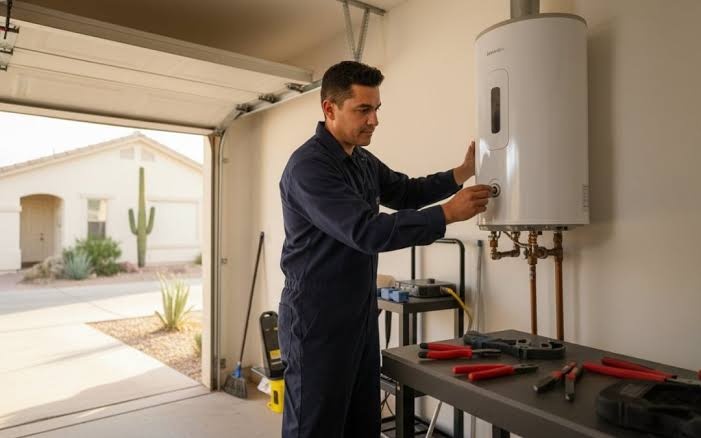
Hot water is one of those everyday conveniences that homeowners rarely think about until their water heater stops working. From morning showers and laundry to washing dishes and cleaning, a reliable hot water supply is essential for a comfortable home. When an aging system becomes unreliable or expensive to operate, replacing it can be a smarter long-term decision than continuing to pay for frequent repairs.
Professional Water Heater Replacement can give homeowners an opportunity to improve reliability, efficiency, and hot water availability while upgrading to newer technology. With advances in energy-efficient and smart water-heating systems in 2026, homeowners have more options when choosing a replacement.
Signs It May Be Time to Replace Your Water Heater
Water heaters do not last forever. Their service life depends on the equipment type, installation quality, water conditions, maintenance, and usage. Recognizing warning signs can help homeowners plan a replacement before a complete failure causes major inconvenience.
Common signs include:
- Frequent repairs
- Insufficient hot water
- Water temperature fluctuations
- Unusual rumbling or popping sounds
- Rust or corrosion
- Visible tank leakage
- Increasing energy bills
- Slow recovery after hot water use
A small repair may be enough for a relatively new system. However, repeated problems with an older unit can make replacement a more practical option.
Why Replace an Aging Water Heater?
Older water heaters may become less efficient as components wear and sediment accumulates. A system that once provided reliable hot water may gradually require more energy or take longer to meet household demand.
A new system can provide several potential benefits, including:
Improved Reliability
A newer water heater can reduce the likelihood of unexpected failures associated with heavily worn equipment.
Better Energy Efficiency
Modern systems are designed with improved technology that can help reduce energy consumption compared with older equipment, depending on the model and operating conditions.
More Consistent Hot Water
Choosing equipment that matches the household's demand can improve hot water availability and recovery performance.
Reduced Repair Costs
Replacing an aging unit can eliminate the recurring repair expenses associated with worn components.
Choosing the Right Replacement System
There is no single water heater that is ideal for every property. Homeowners should consider household size, hot water usage, available energy sources, installation space, budget, and long-term operating costs.
Common options include:
- Traditional storage-tank water heaters
- Tankless water heaters
- Heat pump water heaters
- High-efficiency models
Each technology has different installation requirements and performance characteristics.
A professional HVAC or plumbing specialist can evaluate the property and help determine which system is appropriate.
Tank vs. Tankless Water Heaters
Traditional storage-tank water heaters keep a supply of heated water ready for use. They are familiar, widely available, and suitable for many homes.
Tankless systems heat water as it is needed instead of storing a large volume continuously. This design can provide advantages such as reduced standby losses and a compact footprint.
However, tankless systems also have specific flow-rate, installation, and maintenance requirements.
Homeowners should compare the equipment's capacity and operating characteristics with their actual household needs before making a decision.
Heat Pump Water Heaters in 2026
Heat pump water heaters are receiving increased attention as homeowners look for more energy-efficient ways to produce hot water. Instead of relying exclusively on conventional electric resistance heating, these systems use heat-transfer technology to move available heat into the water.
Potential advantages include improved efficiency and lower operating costs under suitable conditions.
However, installation requirements can vary depending on location, available space, climate, electrical service, and household demand. A professional assessment is important before choosing this technology.
Smart Water Heater Technology
Smart technology is also becoming more common in modern water-heating equipment. Depending on the model, connected systems may allow homeowners to monitor or adjust settings through a smartphone or receive notifications about equipment operation.
Features can include:
- Remote temperature management
- Usage monitoring
- Leak alerts
- Energy tracking
- Diagnostic notifications
- Vacation settings
These features can make water heating more convenient and give homeowners greater visibility into system operation.
Smart controls are helpful, but they do not replace proper installation and regular maintenance.
Professional Installation Matters
Even the most efficient water heater will not perform as expected if it is incorrectly sized or installed.
Professional installation can help ensure that:
- The equipment is appropriately sized
- Plumbing connections are correctly configured
- Electrical or fuel requirements are properly addressed
- Safety components are installed correctly
- Venting requirements are followed where applicable
- The system is tested before use
Professional installation can also help homeowners understand operating settings and maintenance requirements.
When Should You Repair Instead of Replace?
Not every water heater problem means the system needs to be replaced. A relatively new unit with a failed thermostat, heating element, valve, or another replaceable component may be a good candidate for repair.
Replacement becomes more attractive when the unit is older and experiencing repeated problems.
Homeowners can compare:
- The age and condition of the equipment.
- The cost of the current repair.
- The likelihood of additional repairs.
- Current energy consumption.
- The expected cost of a new system.
- Household hot water requirements.
A qualified professional can help evaluate these factors and explain the available options.
Preparing for a Water Heater Replacement
Planning ahead can make the replacement process easier. Homeowners should monitor their existing system for warning signs and avoid waiting until a complete failure occurs whenever possible.
Before replacement, consider:
- Household hot water demand
- Available installation space
- Energy source
- Equipment efficiency
- Warranty coverage
- Maintenance requirements
- Installation costs
- Long-term operating expenses
Taking these factors into account can help homeowners choose equipment that fits both their immediate and future needs.
Maintenance After Replacement
Installing a new water heater does not mean maintenance can be ignored. Regular professional inspections and manufacturer-recommended maintenance can help protect the equipment and maintain performance.
Homeowners should also watch for:
- Leaks
- Temperature changes
- Unusual sounds
- Reduced hot water
- Error messages
- Unexpected increases in energy use
Addressing unusual changes early may help prevent larger problems.
Conclusion
An aging water heater can become inefficient, unreliable, and expensive to maintain. When repairs become frequent or performance declines, professional Water Heater Replacement can provide an opportunity to upgrade to modern equipment that better matches the home's hot water requirements.
In 2026, homeowners can choose from traditional storage systems, tankless technology, heat pump water heaters, and smart connected equipment. The best option depends on household demand, property conditions, budget, and long-term goals.
Rather than waiting for an unexpected failure, homeowners can evaluate their water heater's age, performance, repair history, and operating costs. With professional guidance and proper installation, a replacement can provide dependable hot water and a more efficient approach to everyday household comfort.

About Premium Author
This post has been authored and published by one of our premium contributors, who are experts in their fields. They bring high-quality, well-researched content that adds significant value to our platform.
Popular Categories
Stay Connected
Recent Posts










.png)