Pool and Spa Inspection: Complete Guide for Homeowners in 2026
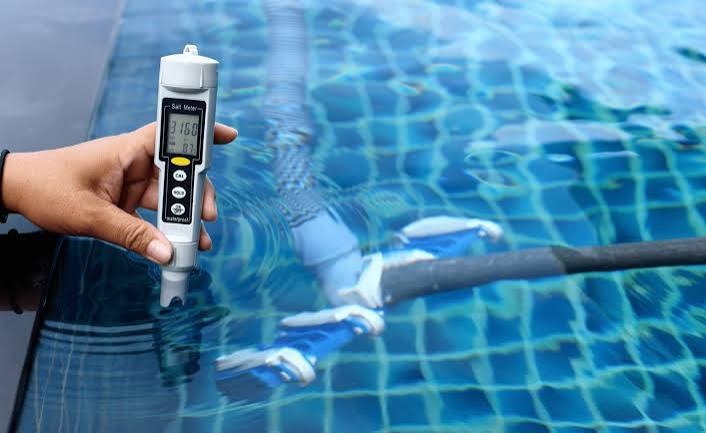
A swimming pool or spa can add comfort, entertainment, and value to a residential property. However, these systems involve electrical equipment, plumbing, pumps, filtration, heating, surfaces, and safety features that require regular attention. Problems that are not immediately visible can become expensive or create safety concerns if they are overlooked.
A professional pool and spa inspection provides an organized evaluation of accessible components and helps homeowners, buyers, and sellers better understand the condition of these features.
Why Pool and Spa Inspections Matter
Pools and spas are complex systems rather than simply decorative additions to a property. Their performance depends on multiple components working together.
An inspection may identify observable concerns involving:
- Pool structure
- Interior surfaces
- Decking
- Pumps
- Filters
- Plumbing
- Heaters
- Electrical components
- Drainage
- Safety features
Understanding the condition of these components can help property owners prioritize maintenance and plan for future repairs.
What Does a Pool Inspection Include?
The exact scope varies according to the property and inspection agreement. Generally, an inspector evaluates accessible and visible components without performing destructive testing.
Pool Structure and Interior Surface
The pool shell and interior finish can show signs of deterioration, cracking, staining, or other visible conditions.
Different pool finishes age differently, so homeowners should understand the expected maintenance requirements of their particular surface.
Decking and Surrounding Areas
Pool decks should provide a stable surface around the pool. Inspectors may look for visible cracks, deterioration, drainage concerns, or other conditions that may require attention.
Proper drainage is particularly important because standing water can contribute to deterioration and create slippery conditions.
Pumps and Filtration Equipment
The pump and filtration system play an essential role in maintaining water circulation and cleanliness.
During an inspection, accessible equipment may be evaluated for observable conditions such as:
- Leaks
- Corrosion
- Damaged components
- Unusual operating conditions
- Improper installation
- Deterioration
A specialist may be recommended when equipment requires detailed mechanical evaluation or repair.
Plumbing and Circulation
Pool plumbing connects various components, including pumps, filters, heaters, and return systems.
Potential concerns can include:
- Visible leaks
- Damaged pipes
- Poor connections
- Drainage problems
- Deteriorated equipment
Identifying a visible leak early can help prevent additional damage and unnecessary water loss.
Electrical Safety
Pool and spa electrical systems deserve particular attention because water and electricity present significant safety considerations.
Accessible electrical components may be reviewed for observable conditions, but specialized electrical testing or repairs should be performed by appropriately qualified professionals.
Homeowners should never attempt to repair pool electrical equipment without the proper expertise.
Heaters and Heating Systems
Some pools and spas use gas, electric, or other heating systems. An inspection may document the visible condition and operation of accessible equipment.
Because heating systems can involve specialized components, additional evaluation by a qualified technician may be appropriate when concerns are identified.
Spa Components
Spas often include additional equipment compared with standard pools. These may include:
- Jets
- Pumps
- Heating systems
- Controls
- Covers
- Specialized plumbing
A professional evaluation can help identify visible issues and determine whether further specialist assessment is warranted.
Safety Features Matter
Pool safety is a major consideration for homeowners. Depending on the property and applicable requirements, safety features may include:
- Pool barriers
- Gates
- Door alarms
- Safety covers
- Appropriate latches
- Other protective equipment
Homeowners should regularly verify that safety features remain functional and properly maintained.
An inspection is not a substitute for checking current local safety requirements.
Why Buyers Should Consider an Inspection
A swimming pool can represent a substantial maintenance and replacement expense. Homebuyers should understand that the purchase of a property with a pool also means taking responsibility for its equipment and ongoing upkeep.
A pool and spa inspection can provide buyers with useful information about observable conditions before completing a purchase.
Potential benefits include:
- Understanding equipment condition
- Identifying visible defects
- Planning maintenance
- Estimating potential repair needs
- Determining whether specialist evaluation is appropriate
Buyers can then make decisions based on a better understanding of the property's pool-related systems.
Benefits for Sellers
Sellers can also benefit from evaluating pool equipment before putting their property on the market.
A proactive inspection may identify concerns such as:
- Aging pumps
- Damaged surfaces
- Plumbing leaks
- Equipment deterioration
- Safety concerns
Knowing about these conditions gives sellers time to obtain estimates, complete selected repairs, or prepare documentation.
Pool Maintenance After an Inspection
An inspection report should not be viewed as a replacement for routine pool maintenance. Pools and spas require ongoing care to keep equipment operating properly.
Homeowners should follow manufacturer recommendations and maintain:
- Water chemistry
- Filters
- Pumps
- Heaters
- Covers
- Decking
- Safety barriers
- Electrical components
Professional servicing may be appropriate for complex mechanical, electrical, or structural issues.
Florida Pool Considerations
Florida's warm climate allows many homeowners to use pools throughout much of the year. However, intense sunlight, humidity, heavy rainfall, and severe weather can affect pool systems and surrounding materials.
Homeowners should pay attention to:
- Pool surface deterioration
- Deck drainage
- Equipment corrosion
- Plumbing leaks
- Storm-related debris
- Electrical equipment
- Safety barriers
After major storms, additional evaluation may be appropriate if the pool or equipment has sustained visible damage.
Modern Inspection Technology
Inspection professionals increasingly use digital reporting and photographic documentation to record property conditions. Depending on the inspection scope, additional tools may also be used to evaluate certain accessible components.
Technology can improve documentation, but professional experience remains important when interpreting findings and determining whether specialized evaluation is necessary.
Why Pool Inspections Matter in 2026
As homeowners become more focused on preventive maintenance and long-term property costs, understanding the condition of pool and spa systems can help avoid unexpected expenses.
A professional pool and spa inspection provides an organized review of accessible components and can help identify conditions that deserve maintenance, repair, or additional evaluation.
For buyers, sellers, and existing homeowners, this information can support better planning and more informed property decisions.
Conclusion
A pool or spa can be one of the most enjoyable features of a home, but it also requires ongoing care. Pumps, filters, plumbing, electrical systems, surfaces, heaters, and safety features all contribute to proper operation.
A professional pool and spa inspection can help property owners understand observable conditions and identify potential maintenance concerns before they become larger problems.
Whether you are buying a home with a pool, preparing to sell, or maintaining an existing property, a professional inspection can provide valuable information and greater confidence in your investment throughout 2026.

About Premium Author
This post has been authored and published by one of our premium contributors, who are experts in their fields. They bring high-quality, well-researched content that adds significant value to our platform.

Popular Categories
Stay Connected
Recent Posts








.png)