Drone with Thermal Camera for Smart Inspections & Safety
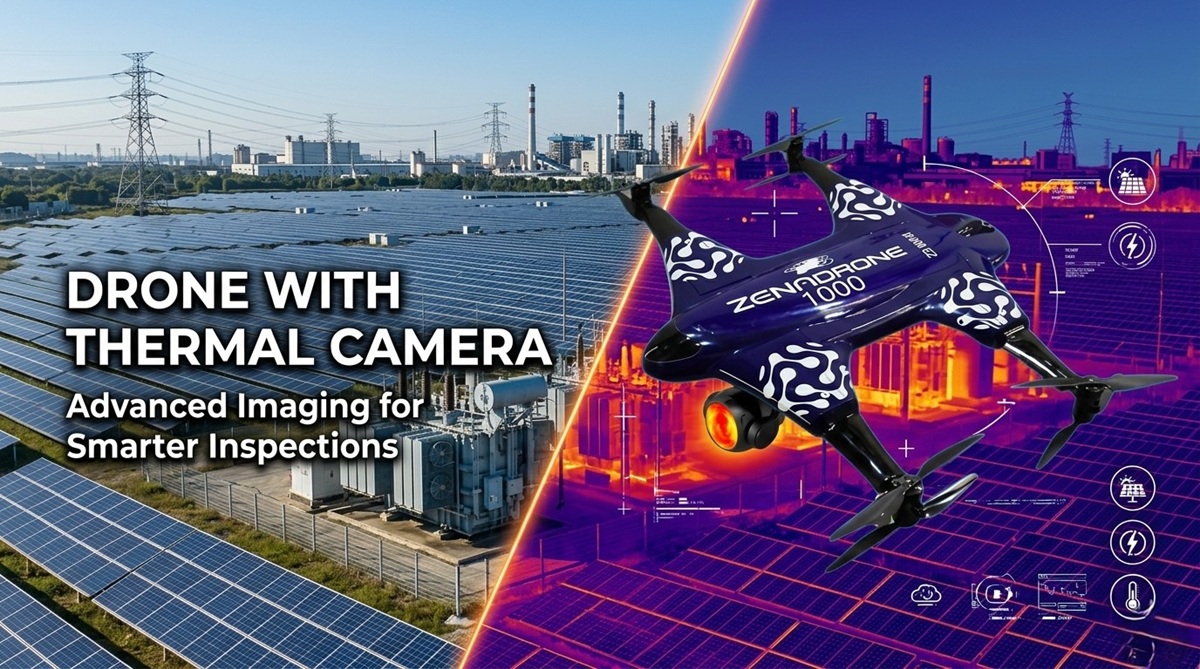
Technology continues to transform the way industries monitor, inspect, and manage assets. One innovation that has gained significant attention is the Drone with Thermal Camera, a powerful tool that combines aerial mobility with advanced heat-detection capabilities. Unlike standard cameras that capture visible light, thermal cameras detect infrared radiation emitted by objects, allowing users to visualize temperature differences that are invisible to the human eye.
From infrastructure inspections and agriculture to public safety and wildlife monitoring, thermal imaging technology provides valuable insights that improve efficiency, safety, and decision-making. Businesses and professionals increasingly rely on thermal drones to identify problems early, reduce operational risks, and gather accurate data without physical contact.
As demand for smarter inspection methods grows, understanding how thermal imaging drones work and where they offer the greatest value can help organizations make informed investment decisions. This guide explores the technology, benefits, applications, challenges, and expert recommendations for maximizing the performance of a drone equipped with thermal imaging capabilities.
What Is a Drone with Thermal Camera?
A Drone with Thermal Camera is an unmanned aerial vehicle equipped with a specialized infrared imaging system capable of detecting heat signatures. Rather than producing traditional photographs, thermal cameras generate images based on temperature variations. These drones are commonly used to:
- Detect heat loss in buildings
- Inspect electrical systems
- Monitor industrial equipment
- Support search and rescue operations
- Evaluate agricultural conditions
- Identify wildlife activity
The technology allows operators to quickly scan large areas and detect anomalies that may indicate equipment failures, structural issues, or environmental concerns.
How Thermal Imaging Technology Works
Understanding Infrared Detection
Every object with a temperature above absolute zero emits infrared energy. A thermal camera detects this energy and converts it into a visual image called a thermogram. Different temperatures appear as varying colors or shades, making it easier to identify:
- Hot spots
- Cold spots
- Heat leaks
- Electrical faults
- Mechanical problems
Components of a Thermal Sensor Drone
A modern Thermal Sensor Drone typically includes:
- High-resolution thermal camera
- Stabilized gimbal system
- GPS navigation
- Advanced flight control software
- Data analysis tools
- Long-range communication systems
These components work together to capture accurate thermal data while maintaining stable flight performance.
Key Applications of Thermal Imaging Drones
Building and Infrastructure Inspections
Building inspectors use a Drone Thermal Camera to identify:
- Roof leaks
- Water intrusion
- Insulation deficiencies
- HVAC inefficiencies
- Structural defects
Thermal inspections reduce the need for costly scaffolding or manual roof access while providing detailed thermal assessments.
Electrical System Monitoring
Electrical components often generate excess heat before failure occurs. A Thermal Imaging Drone can detect:
- Overloaded circuits
- Faulty transformers
- Damaged power lines
- Loose electrical connections
Early detection helps prevent outages and costly repairs.
Agriculture and Crop Management
Farmers increasingly rely on thermal drones to monitor crop health. Benefits include:
- Detecting irrigation issues
- Identifying water stress
- Monitoring soil moisture variations
- Improving resource allocation
Thermal imagery enables more precise farming practices and supports sustainable agriculture.
Search and Rescue Operations
Emergency responders frequently deploy a Drone with Infrared Camera Thermal technology to locate missing persons. Thermal sensors can:
- Detect body heat in darkness
- Search dense vegetation
- Cover large areas quickly
- Improve response times
This capability is especially valuable during nighttime operations and disaster response scenarios.
Wildlife Monitoring
Conservation organizations use thermal drones to:
- Track animal populations
- Prevent poaching
- Study animal behavior
- Conduct environmental surveys
The ability to detect animals without disturbing them improves research accuracy and safety.
Industrial Equipment Inspection
Factories and industrial facilities use thermal imaging to monitor:
- Machinery performance
- Production systems
- Mechanical wear
- Energy efficiency
Routine inspections help organizations reduce downtime and maintain operational reliability.
Benefits of Using a Drone with Thermal Camera
Enhanced Safety
One of the biggest advantages is the ability to inspect hazardous areas remotely. Examples include:
- High-voltage equipment
- Industrial plants
- Roof structures
- Disaster zones
Operators can gather critical data without exposing personnel to unnecessary risks.
Faster Data Collection
Traditional inspections often require hours or days to complete. Thermal drones can inspect large areas within minutes, significantly improving productivity.
Improved Accuracy
Thermal cameras reveal hidden issues that may not be visible through standard inspections, leading to more accurate assessments and earlier problem detection.
Cost Savings
Organizations can reduce expenses related to:
- Equipment rentals
- Manual inspections
- Maintenance failures
- Operational downtime
Over time, thermal drone technology often delivers a strong return on investment.
Better Preventive Maintenance
Thermal imaging supports proactive maintenance strategies by identifying abnormalities before equipment fails. Preventive maintenance can:
- Extend equipment lifespan
- Reduce repair costs
- Improve reliability
- Increase operational efficiency
Choosing the Right Thermal Drone
Selecting the ideal thermal drone depends on operational needs and budget.
Important Features to Consider
Thermal Resolution
Higher thermal resolution provides more detailed imagery and better anomaly detection.
Flight Time
Longer battery life allows operators to inspect larger areas without interruptions.
Camera Integration
Look for systems that combine:
- Thermal imaging
- Visual imaging
- Data analysis software
Dual-camera systems often provide superior inspection results.
Durability
Industrial environments may require weather-resistant and rugged drone designs.
Data Processing Capabilities
Advanced software can simplify:
- Temperature analysis
- Reporting
- Mapping
- Asset management
Common Mistakes and Challenges
While thermal drone technology is highly effective, users often encounter several challenges.
Flying Without Proper Training
Thermal imaging requires specialized knowledge. Misinterpreting thermal data can lead to incorrect conclusions.
Ignoring Environmental Conditions
Factors such as:
- Wind
- Rain
- Sun exposure
- Ambient temperature
can affect thermal readings and image quality.
Using Low-Resolution Sensors
Choosing a low-quality camera may reduce inspection accuracy and limit useful insights.
Failing to Calibrate Equipment
Regular calibration ensures accurate temperature measurements and reliable performance.
Overlooking Regulatory Requirements
Drone operations must comply with local aviation regulations and safety standards.
Failure to follow legal requirements can result in penalties or operational restrictions.
Expert Tips for Maximizing Thermal Drone Performance
Professionals recommend several best practices to improve results.
Conduct Flights During Optimal Conditions
Early morning and evening inspections often produce better thermal contrast compared to midday operations.
Combine Thermal and Visual Data
Using both thermal and visible-light imagery provides a more complete understanding of inspection findings.
Establish Consistent Inspection Procedures
Standardized workflows improve data quality and make trend analysis more reliable over time.
Maintain Equipment Regularly
Routine maintenance should include:
- Battery inspections
- Camera cleaning
- Firmware updates
- Sensor calibration
Invest in Operator Training
Well-trained pilots and analysts are more likely to identify meaningful thermal patterns and avoid costly errors.
The Future of Thermal Imaging Drones
Thermal drone technology continues to evolve rapidly. Emerging advancements include:
- Artificial intelligence-powered analysis
- Automated defect detection
- Improved thermal resolution
- Longer flight times
- Enhanced mapping capabilities
As these innovations become more accessible, thermal drones will likely play an even greater role across industries ranging from energy and construction to agriculture and environmental management.
Frequently Asked Questions
What is the primary purpose of a Drone with Thermal Camera?
Its primary purpose is to detect temperature differences and identify heat-related issues that are not visible with standard cameras.
How accurate is a Thermal Imaging Drone?
Accuracy depends on camera quality, calibration, environmental conditions, and operator expertise. High-quality systems can provide highly reliable temperature measurements.
Can thermal drones see through walls?
No. Thermal cameras detect surface temperatures and cannot see through solid walls or structures.
What industries benefit most from thermal drones?
Industries such as construction, utilities, agriculture, public safety, manufacturing, and environmental conservation benefit significantly from thermal imaging technology.
Are thermal drones legal to operate?
In most regions, thermal drones are legal when operated according to local aviation regulations and privacy laws. Operators should always verify applicable requirements before flying.
Conclusion
A Drone with Thermal Camera has become an essential tool for organizations seeking safer, faster, and more accurate inspection methods. By combining aerial mobility with advanced infrared imaging, these systems provide valuable insights that support preventive maintenance, improve operational efficiency, and reduce risks across numerous industries.
Whether used for infrastructure inspections, agricultural monitoring, search and rescue missions, or industrial assessments, a modern Thermal Imaging Drone delivers capabilities that traditional inspection methods often cannot match. Success depends on selecting the right equipment, understanding thermal imaging principles, and following best practices for data collection and analysis.
As thermal technology continues to advance, businesses and professionals who adopt these solutions will be better positioned to make informed decisions, optimize resources, and address problems before they become costly challenges.

About Premium Author
This post has been authored and published by one of our premium contributors, who are experts in their fields. They bring high-quality, well-researched content that adds significant value to our platform.

Popular Categories
Stay Connected
Recent Posts









.png)