Wood Termites: 2026 Guide to Signs, Prevention & Home Protection
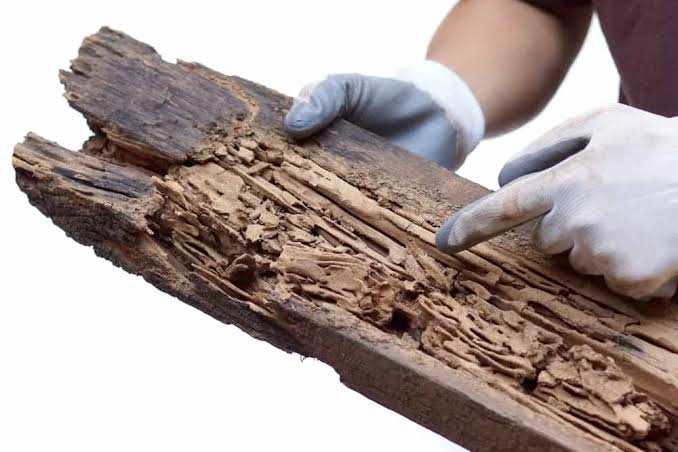
Wood is one of the most important materials in residential construction, but it can also become vulnerable to insects that feed on or damage cellulose-based materials. Among the most concerning are wood termites, which can remain hidden inside or around a property while gradually affecting wooden components.
For homeowners, early awareness is essential. Termite activity may not always produce obvious signs, and significant damage can develop before an infestation becomes easy to recognize. Understanding how termites behave, what warning signs to watch for, and when to arrange a professional inspection can help protect a property.
In 2026, proactive maintenance is particularly important for homeowners in warm and humid regions, where termite activity can remain a concern throughout much of the year.
What Are Wood Termites?
The term "wood termites" is commonly used when discussing termites that damage wooden structures and materials. Termites feed on cellulose, which is found in wood and other plant-based materials.
Different termite species behave differently. Some live primarily in the soil and enter structures from below, while others can establish colonies in wooden components.
Because termite species have different habits and treatment requirements, identifying the exact cause of wood damage is best left to a trained professional.
Why Termites Can Be Difficult to Detect
One of the biggest challenges with termite activity is that much of it can happen out of sight.
Termites may travel through:
- Wall cavities
- Wooden framing
- Flooring systems
- Attics
- Crawl spaces
- Foundations
- Other concealed areas
A homeowner may not notice an infestation until signs such as damaged wood, discarded wings, or mud tubes become visible.
By that point, the activity may have been present for some time.
Common Signs of Wood Termites
Knowing the warning signs can help homeowners recognize when professional evaluation may be appropriate.
1. Damaged or Hollow-Sounding Wood
Wood affected by termites may become weakened or damaged internally. Tapping on an affected area may produce a different sound from healthy wood, although this is not a reliable diagnostic method by itself.
Visible deterioration should always be evaluated in context because moisture and other insects can also damage wood.
2. Mud Tubes
Subterranean termites may construct mud tubes along foundations, walls, or other surfaces.
These protected pathways allow termites to travel between their colony and a food source while remaining sheltered from environmental conditions.
Finding mud tubes around a property can justify professional termite evaluation.
3. Discarded Wings
Winged reproductive termites may leave established colonies during swarming activity. After landing, they can shed their wings.
Piles of small discarded wings near windows, doors, or other light sources can be an important warning sign.
4. Blistered or Damaged Wood Surfaces
Termite activity can sometimes cause wood surfaces to appear blistered or uneven.
However, similar appearances can result from moisture intrusion, aging materials, or other building problems. Professional evaluation is important before assuming termites are responsible.
Moisture Can Increase Property Risks
Moisture management is an important part of protecting wooden structures.
Leaking pipes, poor drainage, damaged gutters, irrigation overspray, and other moisture sources can contribute to deterioration and create favorable conditions for certain wood-destroying organisms.
Homeowners should regularly check for:
- Plumbing leaks
- Standing water
- Poor drainage
- Roof leaks
- Damp crawl spaces
- Excessive landscape irrigation
- Wood contacting soil
Correcting moisture problems can help protect the property even when termites are not present.
Why Florida Homeowners Should Be Proactive
Florida's warm climate can create favorable conditions for termite activity. Homeowners should not assume that termites are only a seasonal concern.
Properties may be exposed to termite activity through soil, landscaping, wooden materials, moisture, and structural openings.
Older homes may deserve particular attention because they can contain aging wood components and previous repairs that are more difficult to evaluate.
Regular property maintenance combined with professional inspections can help identify potential problems earlier.
Homebuyers Should Look Beyond the Surface
A house may appear attractive during a showing while hidden wood damage remains undetected.
Homebuyers should pay attention to:
- Damaged wood
- Mud tubes
- Previous pest treatments
- Moisture problems
- Soft or deteriorated wood
- Discarded wings
- Areas with limited accessibility
A professional termite evaluation can provide additional information before a buyer commits to a major investment.
If evidence of termite activity or damage is found, the buyer can seek appropriate professional advice and discuss potential repairs or treatment with the seller as part of the transaction.
Sellers Can Benefit From Early Detection
Termite discoveries during a real estate transaction can lead to unexpected negotiations and delays.
A seller may choose to arrange a professional inspection before listing the property. If problems are identified, there may be time to obtain appropriate treatment and address related damage before prospective buyers begin their due diligence.
Keeping records of previous pest inspections, treatments, and repairs can also provide useful information about the property's history.
Can Homeowners Prevent Termite Infestations?
There is no way to guarantee that a property will never experience termite activity. However, homeowners can reduce potential risks through good maintenance practices.
Helpful steps include:
- Keep unnecessary wood debris away from the home.
- Avoid direct wood-to-soil contact where appropriate.
- Repair plumbing leaks promptly.
- Maintain proper drainage around the property.
- Keep gutters and downspouts functioning properly.
- Avoid excessive irrigation near the structure.
- Monitor accessible wooden components.
- Schedule professional inspections when appropriate.
Prevention is particularly valuable because termite damage can progress without obvious signs.
Why Professional Inspection Matters
Homeowners sometimes try to identify termites by searching for insects or examining damaged wood themselves. While this can raise awareness, it may not provide a reliable answer.
Several insects can damage wood, and termite activity can remain hidden. A trained inspector can examine accessible areas and document evidence that may indicate termites or other wood-destroying organisms.
A professional evaluation can also help determine whether additional pest treatment or structural assessment is appropriate.
What Happens When Termites Are Found?
Finding termite evidence does not necessarily mean that extensive structural repairs are required.
The appropriate response depends on factors such as:
- Termite species
- Extent of activity
- Location of the infestation
- Amount of damage
- Accessibility of affected areas
- Previous treatment history
A qualified pest-control professional can recommend an appropriate treatment strategy. If structural damage is suspected, a qualified contractor or other appropriate specialist may need to evaluate the affected components.
Treatment and structural repair are separate considerations, so homeowners should understand both aspects of the problem.
Don't Ignore Small Warning Signs
A few discarded wings or a small area of damaged wood may seem insignificant. However, these signs can justify further investigation.
Homeowners should avoid waiting for obvious structural deterioration before taking action.
Early detection can provide more opportunities to address an infestation and limit the possibility of extensive damage.
Protecting Your Property in 2026
Home maintenance is most effective when it is proactive. Roofing, plumbing, HVAC, drainage, and pest-related concerns should all be considered part of a property's overall maintenance strategy.
For homeowners concerned about wood termites, regular inspections and attention to moisture and wood conditions can be valuable preventive measures.
A professional inspection cannot guarantee that future termite activity will never occur, but it can provide useful information about visible evidence and potential risk factors.
Conclusion
Wood termites can cause serious damage while remaining hidden inside or around a property. Understanding the warning signs and maintaining the home properly can help homeowners recognize potential concerns before they become larger problems.
Mud tubes, discarded wings, damaged wood, and unexplained deterioration are all reasons to consider professional evaluation. Homeowners should also control moisture, maintain proper drainage, and keep the property free of unnecessary wood debris.
In 2026, taking a proactive approach to termite prevention can help protect one of your largest investments. When termite activity is suspected, a professional inspection can provide the information needed to determine the appropriate next steps and help safeguard the property's wooden components.

About Premium Author
This post has been authored and published by one of our premium contributors, who are experts in their fields. They bring high-quality, well-researched content that adds significant value to our platform.


Popular Categories
Stay Connected
Recent Posts











.png)