Satoshi Nakamoto Thrift Styling Ideas for Individual

Discover a Personal Style Through Thoughtful Clothing Choices
Thrift-inspired fashion celebrates individuality, creative combinations, and the ability to build an interesting outfit from carefully selected pieces. Rather than relying on a complete matching set, this approach encourages mixing different silhouettes, colors, and everyday essentials to create a look that feels personal. Satoshi Nakamoto-inspired streetwear can fit naturally into this style by combining relaxed clothing with distinctive details. Whether you enjoy browsing secondhand shops or simply prefer outfits that feel less predictable, a little planning can help you create combinations that look intentional without feeling overly polished.
Start With a Clear Outfit Direction
Before choosing individual pieces, decide what kind of appearance you want to create. You might prefer a relaxed vintage-inspired look, a darker urban combination, or an outfit built around graphic details. Having a direction makes it easier to select clothing that works together instead of buying separate items that rarely leave the wardrobe. Satoshi Nakamoto Clothing can serve as inspiration for building a streetwear collection around expressive pieces and versatile everyday combinations. Focus on the shape, color, and overall feeling of each item so your final outfit reflects your taste rather than simply following a trend.
Mix Relaxed Silhouettes With Structured Pieces
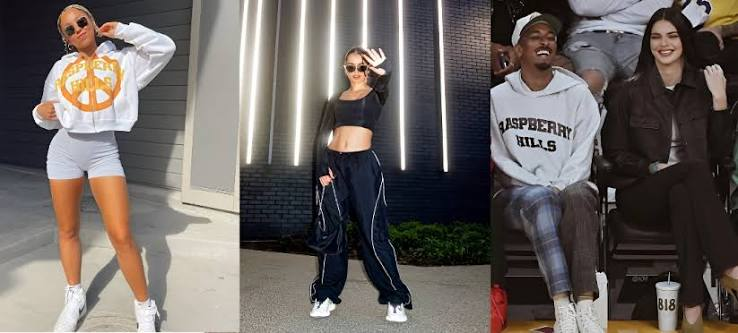
One of the easiest ways to create visual interest is to combine different silhouettes. Wide-leg trousers can work well with a more fitted tee, while a relaxed shirt can balance straight-cut jeans. You can also introduce a structured jacket over softer casual layers to create contrast. The goal is not to make every piece oversized or fitted, but to establish a proportion that feels comfortable and visually balanced. Try different combinations in front of a mirror and consider how the outfit looks from the side as well as the front. Small adjustments can make a noticeable difference.
Give Graphic Shirts Room to Stand Out
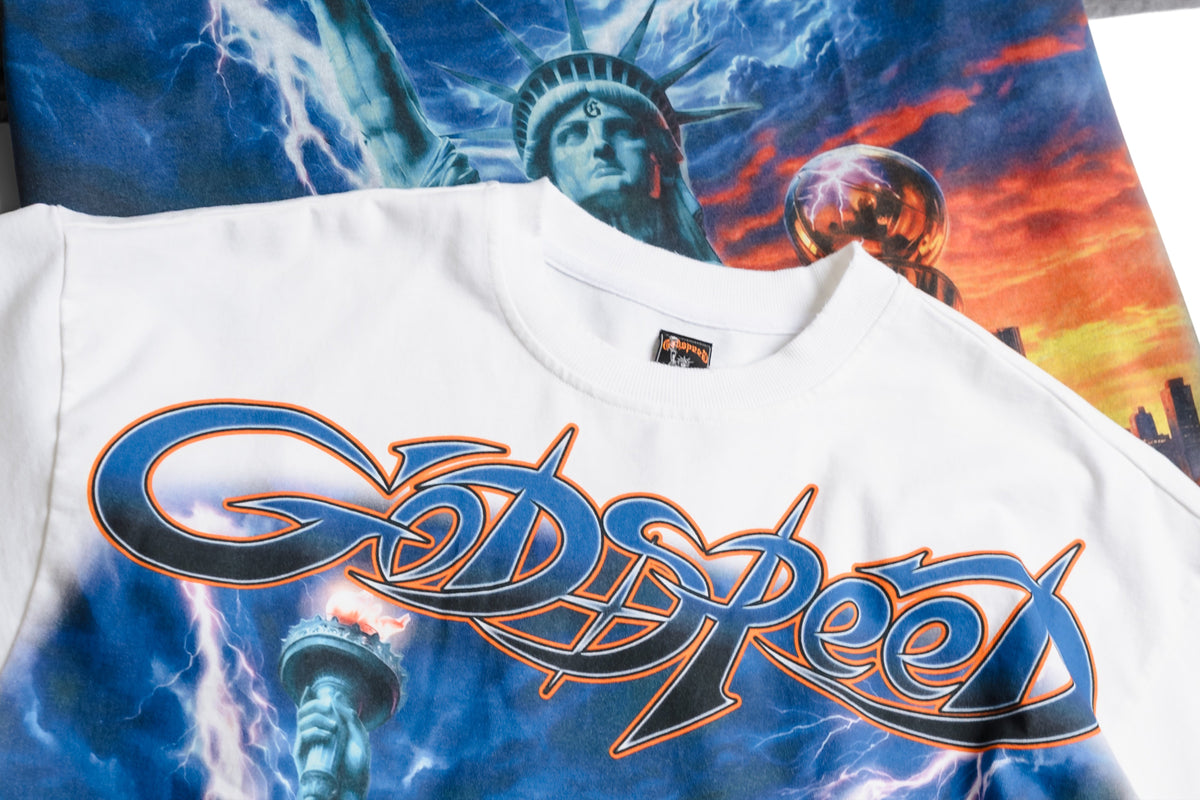
Graphic shirts often become the central feature of thrift-inspired streetwear because they introduce color, imagery, or personality without requiring elaborate styling. Pair a graphic tee with simple denim, relaxed trousers, or casual shorts to let the design remain visible. If the shirt has several colors, select one of those shades for a cap or another small accessory. When the graphic is especially bold, keep additional patterns to a minimum so the outfit does not feel crowded. A shirt that you genuinely enjoy wearing is often more valuable than one chosen only because it currently appears popular.
Explore Layering With Hoodies and Jackets
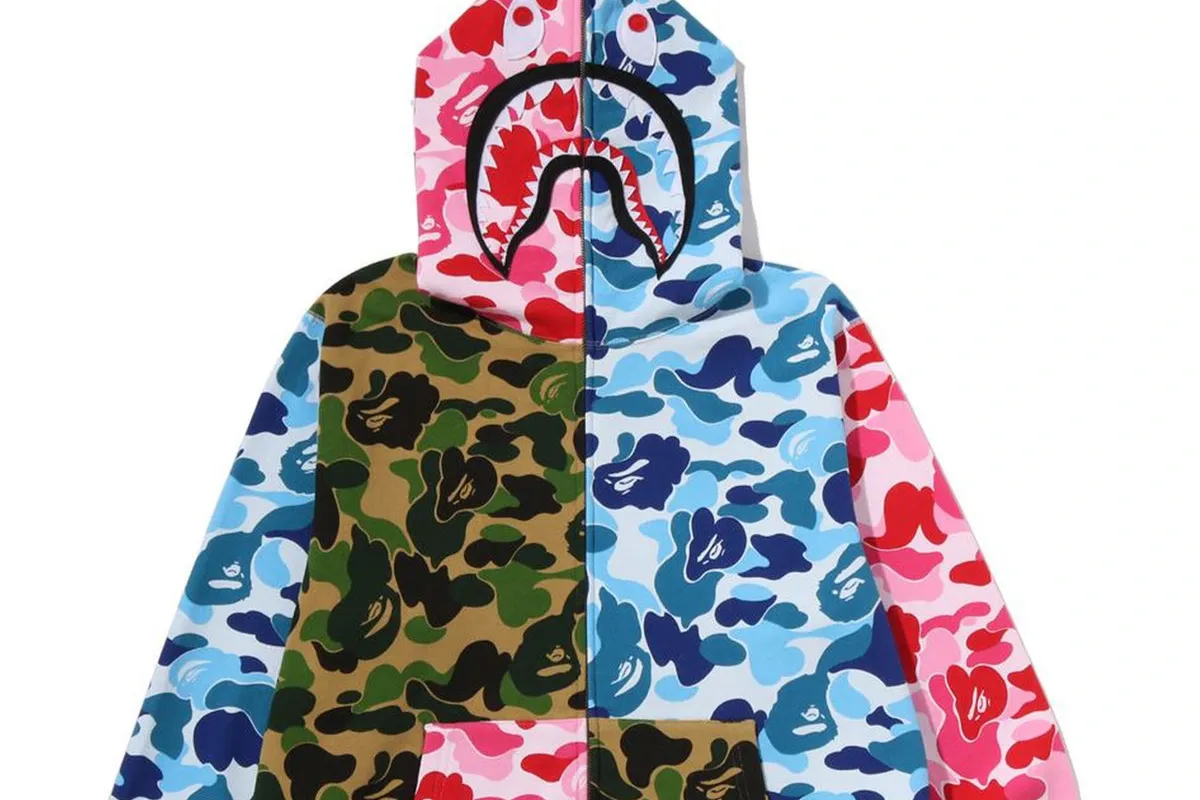
Layering makes an outfit feel more considered and allows familiar pieces to be worn in different ways. A hoodie beneath a jacket creates a casual combination for cooler weather, while an open overshirt over a tee offers a lighter alternative. Satoshi Nakamoto Vans can complement these combinations when the rest of the outfit leans toward relaxed streetwear. Pay attention to sleeve lengths, the space between layers, and how much of each garment remains visible. Choose layers that can be removed easily when temperatures change, and avoid excessive bulk if you expect to spend a long time walking or sitting.
Choose Denim and Trousers With Character
Bottoms can influence the entire direction of a thrift-inspired outfit. Faded denim may create a worn-in casual appearance, while clean dark trousers can make the same graphic shirt feel more understated. Relaxed cargo-inspired shapes offer another option if you prefer practical pockets and a utility-influenced silhouette. When combining different styles, consider whether the colors and proportions support the overall look. You do not need every item to appear vintage or distressed; one distinctive piece can provide enough character. Keep the fit comfortable and choose trousers that work with the footwear you plan to wear.
Use Footwear to Connect Different Pieces
Shoes can bring a mixed outfit together by repeating a color or reinforcing its casual direction. Low-profile sneakers can suit straight-leg denim and simple tees, while chunkier footwear may complement wider trousers and layered tops. Satoshi Nakamoto Bag styling can also fit into a carefully assembled outfit when the bag's shape and color complement the footwear and clothing. Rather than matching every accessory exactly, look for a few shared details that create a natural connection. Consider the places you will visit and the amount of walking involved before choosing shoes based on appearance alone.
Add Accessories With a Purpose
Accessories can make a basic combination feel more individual, but they work best when each item has a reason to be there. A cap can introduce a contrasting shade, a belt can help define the waistline, and a compact bag can carry everyday essentials. Vintage-inspired jewelry or understated sunglasses may add another layer of personality without dominating the outfit. Avoid adding accessories simply to make the look seem more complicated. Choose pieces that complement your clothing and that you can comfortably wear throughout the day. A small, deliberate selection often feels more distinctive than an assortment of unrelated items.
Build a Useful Wardrobe From Versatile Pieces
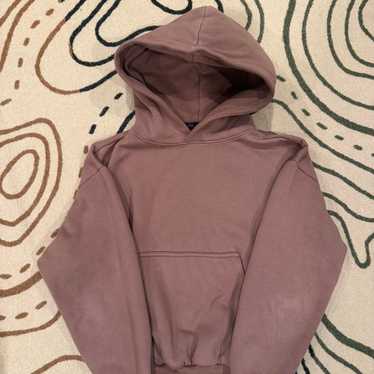
A wardrobe inspired by thrift styling does not need to contain dozens of garments. Begin with dependable basics such as plain tees, comfortable denim, relaxed trousers, a versatile hoodie, and a jacket suitable for your local weather. Then introduce a few distinctive pieces that express your preferences. Satoshi Nakamoto Hoodie outfits can be varied with different bottoms, shoes, and accessories, helping one item serve several styling purposes. Before purchasing something new, consider at least two or three combinations you could create with clothing you already own. This approach encourages more thoughtful choices and helps reduce unnecessary wardrobe clutter.
Experiment With Color Without Losing Balance
Thrift-inspired fashion can include unexpected color combinations, but a simple method helps keep them wearable. Start with two neutral shades and add one stronger color through a shirt, hoodie, or accessory. Alternatively, combine different tones of a similar color for a more subtle effect. Mixing patterns is possible too, provided they differ enough in scale or remain connected through a shared shade. Try each combination before wearing it outside, since colors can look different under indoor and outdoor lighting. The aim is to discover combinations that feel fresh while remaining comfortable for everyday use.
Care for Clothing to Keep It Looking Its Best
Maintaining your wardrobe helps preserve the appearance and usefulness of individual pieces. Check garment care labels before washing, separate colors when appropriate, and avoid unnecessary high heat when drying clothing. Store jackets and heavier layers in a way that helps them keep their shape, and clean shoes according to their material and care instructions. For secondhand purchases, inspect seams, fastenings, and any visible wear before adding the item to regular rotation. Simple care habits make it easier to keep favorite pieces in use and create more outfit combinations over time.
Make Thrift-Inspired Streetwear Your Own
The strongest thrift-inspired outfits reflect the person wearing them. You can combine contemporary streetwear with vintage-inspired details, keep your palette minimal, or experiment with bold graphics and relaxed proportions. There is no single formula that every outfit must follow. Begin with pieces you enjoy, pay attention to fit, and introduce new combinations gradually. By focusing on comfort, useful versatility, and personal expression, you can create a wardrobe that feels distinctive without depending on constant purchases or short-lived trends.
Frequently Asked Questions
What Is Thrift-Inspired Streetwear?
It combines casual streetwear with vintage-inspired pieces, individual finds, and creative outfit combinations that express personal taste.
How Can I Create a Thrift-Inspired Look on a Budget?
Start with versatile basics, explore secondhand options, and choose new pieces that work with several items you already own.
Can Oversized Clothing Work in Thrift Styling?
Yes. Balance oversized tops with more structured bottoms or combine wide trousers with a simpler top to create comfortable proportions.
Which Colors Work Well for Thrift-Inspired Outfits?
Black, gray, cream, brown, and denim shades are easy starting points. Add a stronger color when you want more contrast.
How Do I Keep My Outfit From Looking Too Busy?
Choose one main statement piece, limit competing patterns, and coordinate a few colors across your clothing and accessories.

About Barbas Hats
The EL Barbas Hats team shares ideas about distinctive hat designs, personal styling, and fashion choices for different occasions.

Popular Categories
Stay Connected
Recent Posts



.png)