Folding Cardboard Boxes
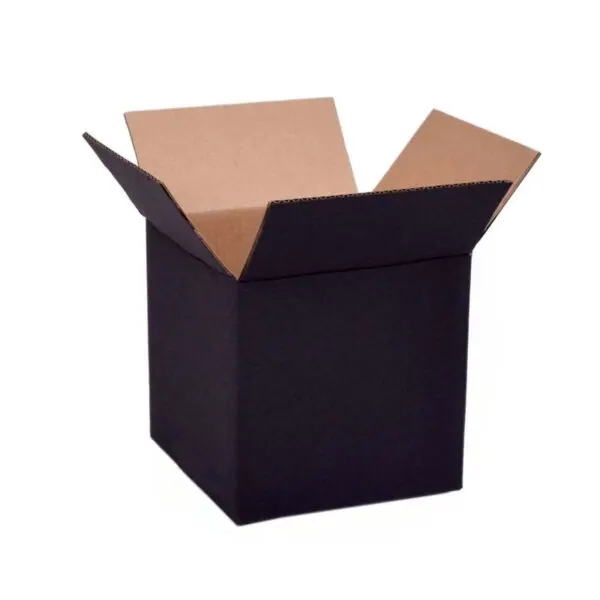
Businesses across different industries are looking for packaging solutions that protect their products while reducing unnecessary material waste.folding cardboard boxes have become a practical choice for companies that want to combine product protection, attractive presentation, and more responsible packaging practices.
These boxes are manufactured from foldable paperboard or suitable cardboard materials and are designed to remain flat before assembly. Their space-saving construction makes them convenient for storage, transportation, and everyday packaging operations. They can also be customized with brand logos, product information, colors, and finishes to create a professional appearance.
From cosmetics and skincare products to retail merchandise, bakery items, gifts, and e-commerce products, eco-friendly folding cardboard boxes offer flexibility for a wide range of applications. By selecting suitable materials and minimizing unnecessary packaging components, businesses can make informed choices that support their environmental objectives.
What Are Eco-Friendly Folding Cardboard Boxes?
Eco-friendly folding cardboard boxes are packaging cartons designed with consideration for material efficiency, responsible sourcing, and end-of-life disposal. They are generally made from paperboard or other foldable paper-based materials that can be shaped into protective containers.
Many designs are supplied flat and assembled when required. This helps businesses store large quantities without occupying the space needed for fully assembled boxes.
The environmental characteristics of these boxes depend on several factors, including the percentage of recycled content, the source of the paper fibers, manufacturing processes, printing methods, coatings, and local recycling facilities.
Some boxes use recycled paperboard, while others use paper from responsibly managed sources. Businesses can also choose simpler structures that reduce unnecessary materials without compromising product protection.
It is important to remember that the term eco-friendly does not guarantee that every box is recyclable, compostable, or biodegradable under all conditions. Buyers should verify the supplier's specific claims and material specifications before placing an order.
Benefits of Eco-Friendly Folding Cardboard Boxes
1. Support More Responsible Packaging Choices
One of the main advantages of eco-friendly folding cartons is the opportunity to prioritize paper-based packaging and avoid unnecessary materials.
Businesses can select suitable cardboard grades, simplify packaging designs, and reduce excessive decorative components. These decisions may help reduce material use while maintaining the box's practical function.
For companies that package thousands of products, even small improvements in material efficiency can make a meaningful difference to their overall packaging strategy.
2. Help Reduce Storage Requirements
Folding cardboard boxes are usually delivered flat, making them easier to stack and store than fully assembled rigid packaging.
This construction can help businesses use warehouse space more efficiently and organize packaging inventory more effectively.
Flat-packed boxes can also simplify handling during transportation before assembly. Although the overall environmental benefit depends on the complete supply chain, efficient storage and shipping can be useful considerations when comparing packaging options.
3. Offer Recyclability Where Facilities Allow
Paperboard and cardboard are widely used in recycling systems. Suitable folding cartons may be recyclable when they are accepted by local facilities and do not contain incompatible materials or excessive contamination.
Businesses can support recycling by choosing packaging with appropriate material compositions and providing clear disposal guidance where relevant.
However, plastic laminations, foil finishes, certain coatings, and mixed-material components can affect recyclability. Buyers should ask suppliers whether the finished product is compatible with the recycling systems available in their target markets.
4. Provide Lightweight Product Protection
Eco-friendly Cardboard packaging must still protect the product effectively. Folding cardboard boxes provide a structured enclosure that helps protect many lightweight retail products during storage, display, and handling.
The correct material thickness and box dimensions depend on the item's weight, fragility, and distribution conditions.
For delicate products, inserts or cushioning may be necessary. Businesses should test the complete packaging system rather than assuming that a recyclable box alone will provide sufficient protection.
5. Strengthen Brand Reputation
Packaging is an important part of how customers perceive a business. Well-designed folding cardboard boxes can communicate professionalism while supporting a brand's environmental commitments.
A natural kraft appearance, simple typography, and minimal printing can create a clean and modern look. Businesses may also incorporate a logo, product information, and disposal instructions.
Any sustainability statements printed on the packaging should be accurate and supported by evidence. Clear communication helps customers understand the actual benefits of the materials rather than relying on vague environmental claims.
Popular Types of Eco-Friendly Folding Cardboard Boxes
Different box structures serve different products and packaging requirements.
Kraft Folding Cardboard Boxes
Kraft folding boxes feature a natural brown appearance that works well for artisan products, handmade goods, gifts, and brands that prefer understated packaging.
They can be printed with a simple logo or left largely unprinted for a minimalist design.
However, brown color alone does not establish environmental performance. Businesses should check the actual paper composition, sourcing, coatings, and disposal options.
Recycled Paperboard Folding Boxes
Recycled paperboard cartons incorporate fibers recovered from previously used paper products.
Depending on the manufacturing process, recycled content can reduce reliance on virgin paper fibers. These boxes may be suitable for various retail products, stationery, accessories, and selected consumer goods.
The required material grade should be chosen according to product weight, durability requirements, and any applicable food-contact standards.
Custom Printed Eco-Friendly Folding Boxes
Custom printed cartons allow businesses to combine branding with thoughtful material selection.
Printing options may include logos, product names, instructions, illustrations, and essential product information. Using a simple design and avoiding unnecessary finishes can help keep the packaging straightforward.
Before approving production, businesses should confirm the suitability of inks and other printing components for their intended recycling goals.
Folding Boxes with Inserts
Some products require internal support to remain secure inside the box. Paperboard inserts and dividers can help organize products and reduce movement.
For example, cosmetics gift sets, small accessories, and promotional kits may benefit from inserts designed to fit the product precisely.
Using compatible paper-based inserts can simplify material separation, although the complete packaging should still be evaluated for its recyclability and protective performance.
Industries That Use Eco-Friendly Folding Cardboard Boxes
Cosmetics and Skincare
Beauty brands commonly use folding cartons for creams, lotions, serums, makeup products, and personal-care accessories.
Custom packaging provides space for product names, ingredients, directions, and branding. A simple design using appropriately sourced paperboard can complement a brand's sustainability strategy.
Businesses should ensure that the carton protects the product and that any required labeling remains clear and accurate.
Food and Bakery
Bakeries and food businesses use folding cardboard boxes for selected dry foods, confectionery, packaged treats, and other suitable products.
Food packaging requires special attention to grease resistance, moisture, temperature, and direct food contact. The paperboard, inks, coatings, and adhesives must be appropriate for the intended use.
Not every folding carton is suitable for direct contact with hot or oily foods, so supplier confirmation is essential.
Retail and E-Commerce
Online sellers can use folding cardboard boxes for stationery, accessories, small household products, and lightweight merchandise.
Flat-packed storage can help businesses manage inventory, while customized printing creates a consistent presentation across their online orders.
Choosing packaging that fits the product closely may also reduce unnecessary material use and excess void space.
Gifts and Promotional Products
Businesses use folding cartons for corporate gifts, event merchandise, product launches, and seasonal promotions.
Eco-conscious material choices can be combined with attractive printing to create a professional presentation without relying on excessive decorative packaging.
How to Choose the Right Eco-Friendly Folding Boxes
Selecting suitable packaging requires balancing environmental considerations with performance, cost, and product requirements.
Check Recycled Content and Sourcing
Ask suppliers whether the paperboard contains recycled fibers or comes from responsibly managed sources. Request relevant documentation for any certifications or environmental claims.
The exact specification matters more than broad labels such as green, natural, or sustainable.
Choose the Correct Size and Material
Measure the product and select a box that provides adequate room for insertion and removal without excessive empty space.
The material grade should be strong enough to withstand normal handling and distribution. Fragile items may require additional inserts or protective packaging.
Review Coatings and Finishes
Gloss coatings, laminations, foil stamping, and other finishing options can affect recyclability.
If recycling is a priority, ask whether the supplier offers an appropriate uncoated or minimally finished alternative that still meets your durability and presentation requirements.
Compare Pricing and Order Quantities
The cost of eco-friendly folding cardboard boxes depends on dimensions, material grade, recycled content, printing, finishing, and order volume.
Request quotations for different quantities and compare the complete cost, including setup fees, shipping, and storage requirements.
Ordering in bulk may reduce the price per unit, but businesses should avoid buying more customized packaging than they can reasonably use.
Request a Sample
A sample allows you to assess folding, closure strength, printing quality, and product fit before committing to a large order.
For products sold online, consider testing the packaging under realistic handling and shipping conditions.
Customization Options for Sustainable Folding Boxes
Eco-friendly folding cardboard boxes can be customized to reflect a company's identity and product requirements.
Common options include:
Custom dimensions for specific products
Brand logos and product names
Minimalist or full-color printing
Kraft or white paperboard finishes
Tuck-end or other suitable closure styles
Paperboard inserts and dividers
Printed disposal and recycling instructions
A well-planned design should prioritize usability and clear communication. Businesses can often create attractive packaging without adding unnecessary layers or decorative components.
Why Businesses Should Consider Eco-Friendly Folding Cardboard Boxes
Choosing packaging carefully can support several business objectives at once. Folding cartons can simplify storage, provide a professional product presentation, and offer opportunities to reduce unnecessary packaging materials.
For small businesses, simple paperboard cartons may provide a practical starting point. Larger manufacturers can evaluate recycled content, sourcing documentation, and packaging efficiency across their product ranges.
The most appropriate solution depends on the product, supply chain, budget, and available waste-management infrastructure.
Companies should also consider the full life cycle of their packaging. A lightweight carton that protects the product effectively may be preferable to an alternative that causes more product damage or requires additional protective materials.
Conclusion
Eco-friendly folding cardboard boxes offer businesses a versatile packaging option that combines convenient storage, customization, and opportunities for more responsible material use.
Their flat-packed design makes them practical for retail, cosmetics, food, gifts, and e-commerce applications. With suitable paperboard, efficient dimensions, and thoughtful printing, businesses can create packaging that protects products while supporting their branding goals.

About Premium Author
This post has been authored and published by one of our premium contributors, who are experts in their fields. They bring high-quality, well-researched content that adds significant value to our platform.
Popular Categories
Stay Connected
Recent Posts





.png)