Custom Christmas Boxes: Festive Packaging That Makes Every Gift Feel Special
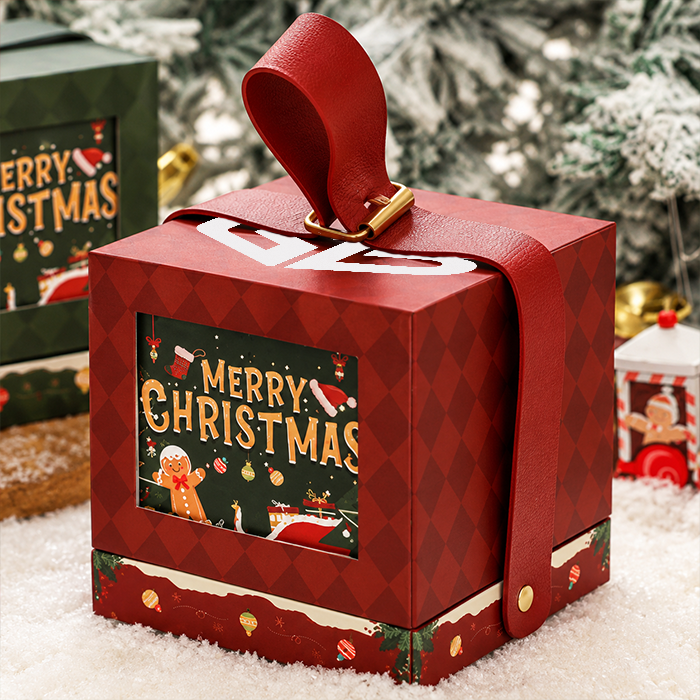
Christmas packaging sets the mood before a gift is opened. A thoughtfully designed box creates anticipation, reflects the occasion, and makes even a simple item feel carefully chosen. Custom Christmas boxes bring that festive character into retail orders, corporate gifts, family presents, and seasonal collections.
The most memorable packaging balances personality with practical design. Seasonal artwork can create excitement, but the box still needs to fit its contents, feel comfortable to handle, and open naturally. Starting with these basics gives the decorative details a stronger foundation.
What Are Custom Christmas Boxes?
Custom Christmas boxes are packaging boxes personalized for the holiday season. Customization may include dimensions, colors, printed artwork, interior arrangements, messages, and finishing touches.
They can be designed for individual products, gift assortments, or several coordinated items. A small ornament needs a different structure from a candle collection or a box of separately packaged treats.
The aim is to create a complete presentation rather than simply place a Christmas pattern on a standard carton. The structure and artwork should work together, making the contents feel thoughtfully arranged from the outside in.
Begin With the Gift and the Recipient
Before choosing illustrations or ribbons, decide what the box will hold and who will receive it. A family gift, an employee appreciation package, and a retail holiday collection may call for different tones.
Consider whether the presentation should feel playful, traditional, understated, or luxurious. Then connect that direction to the contents.
Useful questions include:
What items will go inside?
Is the box for one recipient or a larger campaign?
Will names or messages be personalized?
Will it be handed over or delivered?
Should the recipient be able to reuse it?
Does it need an additional shipping carton?
These decisions help establish a clear brief before artwork development begins.
Choose a Box Style With a Purpose
Different structures create different opening experiences. A folding carton can provide a straightforward format, while a separate lid-and-base box offers a classic gift presentation.
A sleeve-and-tray arrangement introduces a sliding opening, and a compartmented design can give several products their own positions. A mailer-style box may suit a package prepared for delivery, subject to the needs of its contents.
Choose the structure according to the gift rather than decoration alone. Extra layers should make the arrangement easier to use or support a particular presentation goal.
An elaborate box is not automatically a more thoughtful one.
Get the Size Right
A gift box should accommodate the complete contents, including cards, wrapping, inserts, and accessories. Measure everything that will go inside before approving dimensions.
Confirm whether measurements refer to the internal or external size. If an insert is involved, account for the space it occupies.
Too much empty space can make the arrangement feel unfinished, while an overly tight fit can make packing and removal awkward.
Test the box with actual items. Close it, lift it, and reopen it. The contents should sit naturally without forcing the lid or pressing against decorative elements.
Create a Festive Design That Feels Original
Christmas artwork does not need to rely on every familiar seasonal symbol at once. Choose a clear direction and give it room to stand out.
A woodland illustration, a repeating star pattern, a winter landscape, or simple seasonal lettering can each form the basis of a distinctive design. The palette might be traditional red and green, soft neutral shades, or a color combination drawn from the brand.
Keep the overall composition balanced. A busy exterior can compete with a detailed gift arrangement inside.
The goal is a recognizable seasonal mood, not a collection of unrelated decorations.
Make Personalization Meaningful
A recipient’s name, a short message, or a thoughtfully written card can make a Christmas box feel more individual.
For businesses, personalization should suit the relationship. A client gift might include a sincere thank-you, while an employee package could acknowledge the year’s shared effort.
Keep messages concise and genuine. Avoid turning the entire gift into a promotional announcement.
Check personalized details carefully before production. Names, dates, titles, and company information deserve a separate proofing step because these are often the elements recipients notice first.
Give the Interior a Clear Arrangement
The inside of the box should feel as considered as the cover. Decide what the recipient sees first and how the remaining contents are revealed.
An insert can separate products or create a defined layout, but it should not make removal difficult. Leave enough room to reach each item comfortably.
Tissue paper, a coordinated lining, or a printed interior message can add interest where appropriate. Each addition should contribute to the experience rather than simply fill space.
Review the arrangement after one or two items have been removed. A practical design should remain easy to navigate throughout opening.
Use Finishing Details Selectively
Small finishing touches can establish the mood without overwhelming the design. A ribbon, a limited metallic accent, a textured surface, or a subtle raised logo may provide enough distinction.
Review a physical sample before approving a larger quantity. Decorative treatments can look different under ordinary lighting than they do in a digital mockup.
Consider handling as well as appearance. The package should remain convenient to assemble, carry, and open.
Choose details that work together. Several competing finishes may distract from the gift rather than make it feel more special.
Plan Packing and Delivery Early
Christmas projects often involve a fixed handover date, so work backward from when the gifts need to arrive. Allow time for design approval, sampling, production, packing, and distribution.
Run a trial using the actual contents. Check how long assembly takes and whether staff need clear instructions.
Assess the delivery package separately from the gift presentation. A decorative box should not automatically be treated as sufficient protection for transport.
Keep recipient information and different gift versions organized so similar-looking packages are not confused during fulfillment.
Order Realistic Quantities
Highly specific holiday artwork requires careful quantity planning. A box printed with a year or a particular event date may have limited use afterward.
Consider whether an undated design could work across more than one season. Compare quotations using matching dimensions, materials, printing, and included components.
Keep environmental statements accurate and specific to the finished package. A natural appearance or reusable design should not become an unsupported promise.

About Premium Author
This post has been authored and published by one of our premium contributors, who are experts in their fields. They bring high-quality, well-researched content that adds significant value to our platform.
You Might Also Like
Popular Categories
Stay Connected
Recent Posts





.png)